
 by
by 


- Your cart is empty Browse Shop
Physical Therapy vs. Occupational Therapy: Which is Better for Your Recovery?
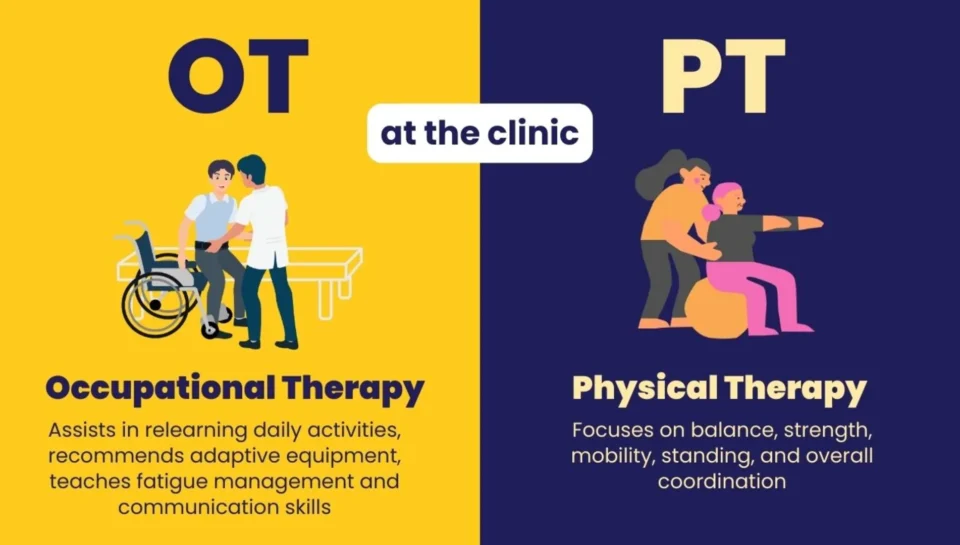
Choosing the right path for rehabilitation can be overwhelming, especially when you are navigating the recovery process after an injury, surgery, or a chronic diagnosis. In the healthcare landscape of Islamabad and Rawalpindi, two terms often come up: Physical Therapy (PT) and Occupational Therapy (OT).
While they share common goals—improving quality of life and helping patients regain independence—they approach recovery from different angles. At Kineme Physiotherapy, we believe that understanding these differences is the first step toward a successful recovery. This guide explores the nuances of both fields, helping you determine which is better suited for your specific needs.
Short Summary:
- Physical Therapy (PT) focuses on the mechanics of movement, strength, and pain reduction.
- Occupational Therapy (OT) focuses on functional independence and performing daily tasks (ADLs).
- PT is ideal for sports injuries, back pain, and post-op recovery.
- OT is ideal for stroke recovery, fine motor skills, and environmental adaptation.
- Collaboration between the two leads to the most comprehensive patient outcomes.
Understanding the Core Differences
To the untrained eye, PT and OT might look similar. Both involve exercises, manual therapy, and a commitment to patient wellness. However, the fundamental “why” behind the treatment differs significantly.
What is Physical Therapy?
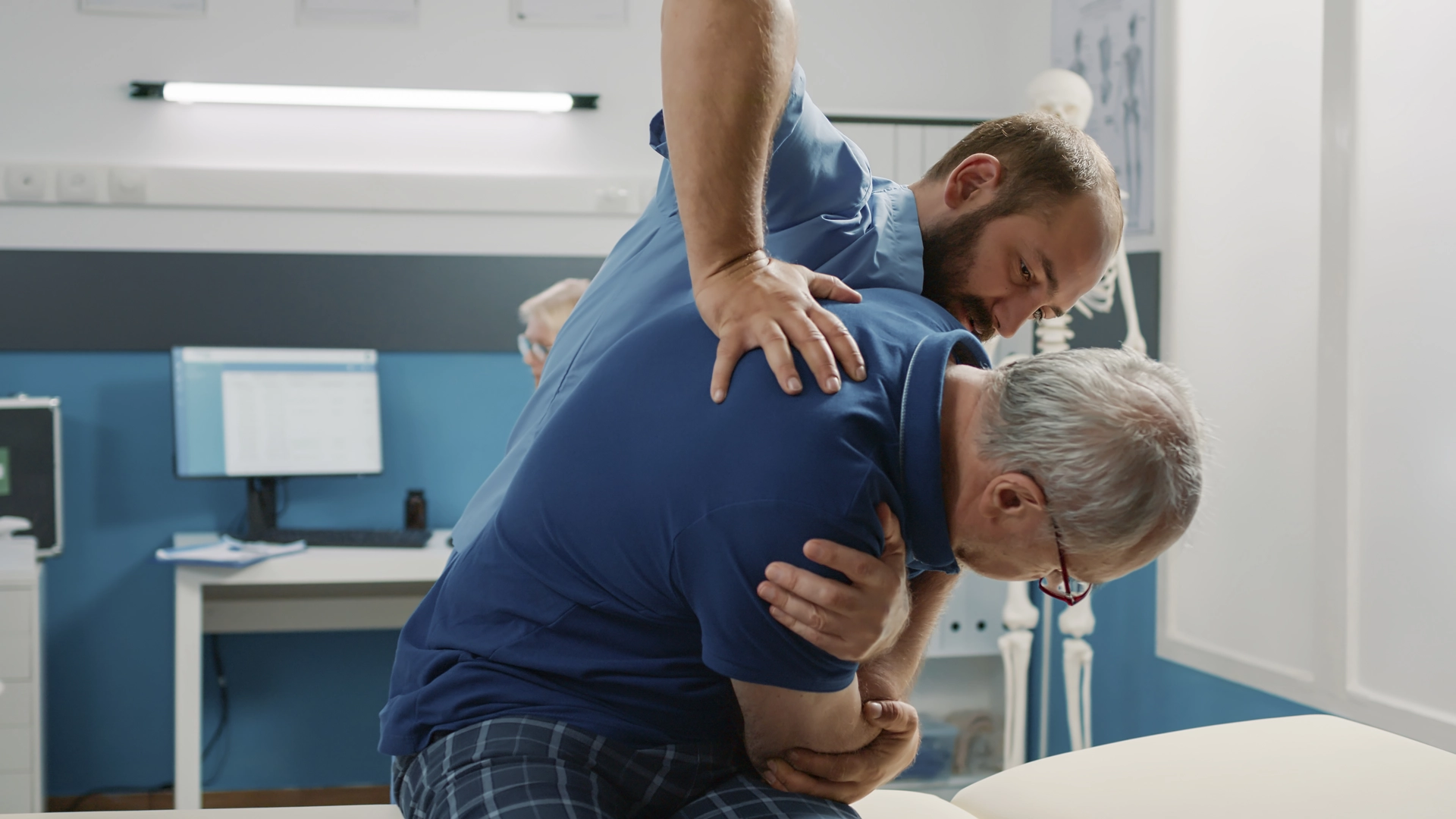
Physical Therapy focuses on the physical mechanics of the body. A Physical Therapist is a specialist in movement. Their primary goal is to treat an injury or impairment by focusing on:
- Increasing strength and flexibility.
- Improving range of motion in joints.
- Enhancing balance and gait (walking).
- Reducing pain through modalities like dry needling, cupping, or manual mobilization.
If you have a “broken” movement—like a limp after a sports injury or a stiff shoulder—PT “fixes” the movement itself.
What is Occupational Therapy?
Occupational Therapy is less about the movement itself and more about the function of that movement in your daily life. The “occupation” in Occupational Therapy doesn’t just mean your job; it refers to any activity that occupies your time, from brushing your teeth and cooking a meal to typing at a desk or playing an instrument.
An Occupational Therapist (OT) focuses on:
- Adapting the environment to fit the patient.
- Teaching “activities of daily living” (ADLs).
- Cognitive and perceptual skills.
- Fine motor skills (using hands and fingers for precise tasks).

The Scope of Occupational Therapy: More Than Just “Work”
A common misconception in Pakistan is that Occupational Therapy is only for people who want to return to their jobs. In reality, OT is vital for anyone who has lost the ability to perform the tasks that make them feel like themselves.
1. Activities of Daily Living (ADLs)
After a stroke or a severe neurological event, simple tasks become mountains. OT helps patients relearn how to dress themselves, use utensils, and maintain personal hygiene. While a PT will work on the leg strength needed to stand at the sink, the OT will work on the coordination needed to hold a toothbrush and the cognitive sequence of the task.
2. Cognitive and Mental Health
Occupational Therapy has a strong roots in mental health. OTs help patients manage anxiety, depression, or developmental disorders (like Autism or ADHD) by creating structured routines and sensory environments that promote focus and calm.
3. Adaptive Equipment
If a patient has a permanent disability, an OT is the professional who recommends and trains them on adaptive equipment. This could range from specialized wheelchairs to “reachers” that help people pick up items without bending.
When Should You Choose Physical Therapy?
In the Twin Cities, Physical Therapy is often the first line of defense for physical ailments. You should prioritize PT if your primary concerns are:
- Pain Management: If you are suffering from lower back pain, knee discomfort, or shoulder joint pain.
- Post-Surgical Recovery: Recovering from an ACL reconstruction, hip replacement, or spinal surgery.
- Sports Injuries: Dealing with muscle strains, ligament tears, or “tennis elbow.”
- Mobility Issues: If you find it difficult to walk, climb stairs, or maintain balance.
At Kineme, our approach to PT involves localized treatments like Hijama (Cupping Therapy) and Dry Needling to target pain at the source, ensuring the “machinery” of your body is working correctly.
When Should You Choose Occupational Therapy?
- Occupational Therapy becomes the priority when the physical limitation prevents you from participating in life. You should seek OT if:
- Neurological Conditions: You are managing Multiple Sclerosis (MS), Parkinson’s, or recovering from a Stroke.
- Fine Motor Challenges: You have difficulty writing, buttoning a shirt, or using a computer mouse.
- Developmental Delays: A child is struggling with sensory processing or coordination in school.
- Home/Work Environment Adjustments: You need your living space or office redesigned to accommodate a physical limitation.
The Synergy: Why PT and OT Work Best Together
In many cases, the question isn’t “Which is better?” but “How can they work together?”
Imagine a patient in Islamabad who has suffered a stroke.
The Physical Therapist works on the patient’s leg strength and balance so they can stand and walk again.
The Occupational Therapist works on the patient’s arm coordination and cognitive ability so they can feed themselves and return to their office job.
Without PT, the patient can’t get to the kitchen. Without OT, the patient gets to the kitchen but doesn’t know how to safely prepare a meal. This “Rebuild. Recover. Reimagined” philosophy is what we strive for at Kineme.
Targeting Recovery in Rawalpindi and Islamabad
Living in the Twin Cities presents unique lifestyle challenges—from the sedentary desk jobs in Blue Area to the active, outdoor lifestyle of residents near the Margallas.
- For the Corporate Professional: Occupational Therapy can help with ergonomic setups to prevent “Tech Neck” and repetitive strain injuries.
- For the Athlete: Physical Therapy at our DHA Phase II clinic focuses on getting you back to the cricket field or the gym with maximum power and zero pain.
Key Red Flags: When to See a Specialist Immediately
Whether you choose PT or OT, there are “red flags” you should never ignore. If your pain or lack of mobility is accompanied by the following, visit Kineme Physiotherapy or a medical doctor immediately:
- Sudden loss of bowel or bladder control.
- Numbness in the “saddle area” (groin).
- Night pain that prevents sleep.
- Unexplained weight loss coupled with back pain.
- Sudden weakness in a limb that leads to frequent falls.
Final Verdict: Which is Better for You?
- Choose Physical Therapy if you want to fix a specific body part, reduce pain, and improve your overall physical movement and strength.
- Choose Occupational Therapy if you want to improve your ability to perform specific tasks, adapt your environment, and regain independence in your daily routine.
At Kineme Physiotherapy, we specialize in the physical mechanics of recovery. While we focus heavily on PT, we recognize the vital role of OT and often work in tandem with other specialists to ensure our patients in Islamabad and Rawalpindi receive a 360-degree recovery plan.
